
Blog
News, stories from the field, program highlights, and updates on how Helpline Welfare Trust is serving communities across Pakistan.
How Gaza People Survive After War Stopped: Rebuilding Lives and Communities
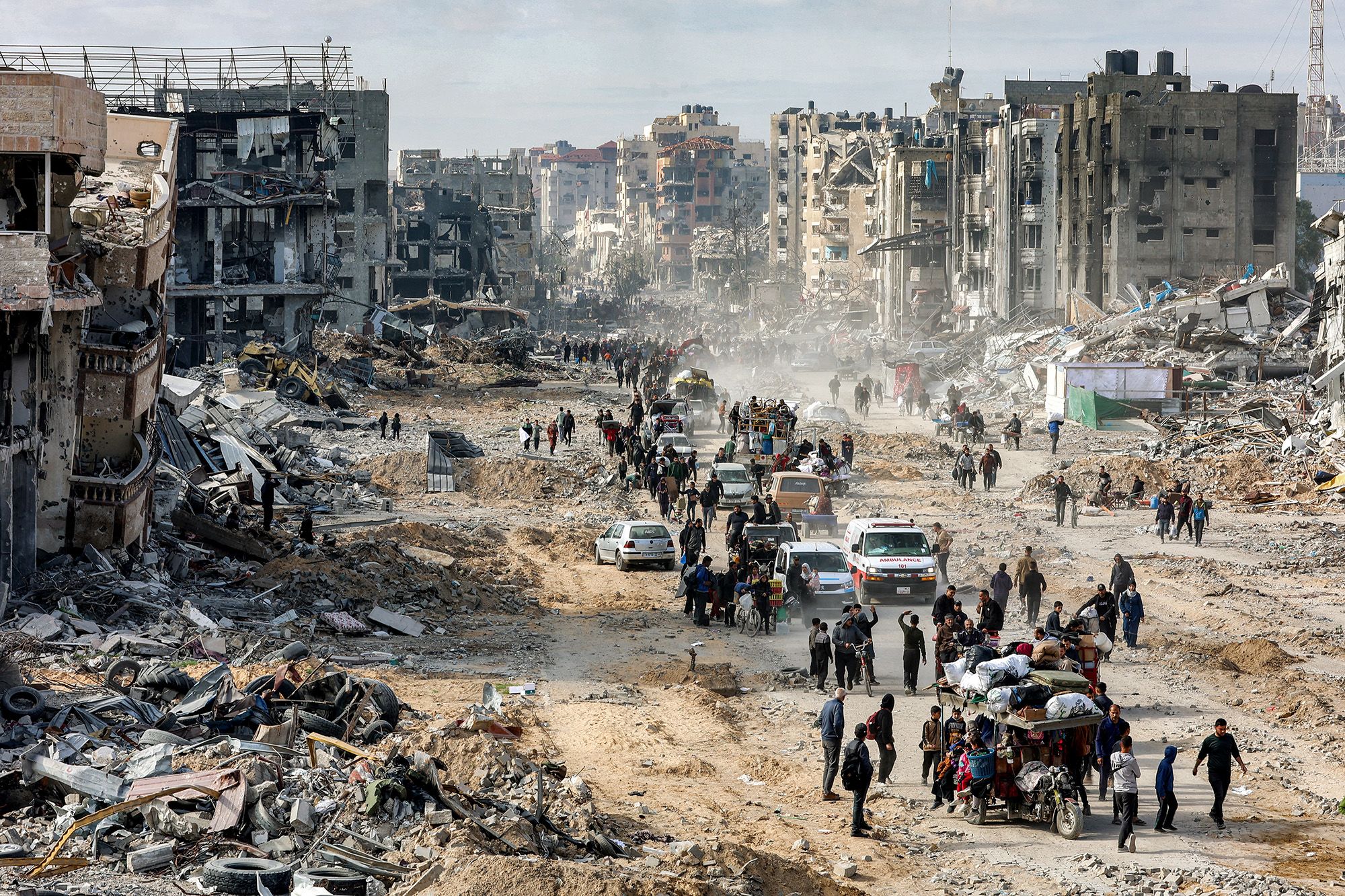
The end of conflict in Gaza marks the beginning of an even more challenging phase: survival and recovery. After the war stopped, the people of Gaza face immense challenges including destroyed homes, damaged infrastructure, limited access to basic necessities, and the psychological trauma of conflict. Understanding how Gaza people survive after war stopped requires looking at the comprehensive humanitarian response and the incredible resilience of the Palestinian people.
Challenges Facing Gaza People After War:
1. Housing and Shelter: Thousands of homes have been destroyed or severely damaged, leaving families without safe shelter. Temporary housing solutions and reconstruction efforts are critical for survival.
2. Food Security: The destruction of agricultural land, markets, and supply chains has created severe food shortages. Emergency food aid and long-term food security programs are essential.
3. Healthcare Crisis: Hospitals and medical facilities have been damaged, medical supplies are scarce, and the healthcare system struggles to meet the needs of injured and traumatized people.
4. Water and Sanitation: Infrastructure for clean water and sanitation has been destroyed, leading to water shortages and increased risk of waterborne diseases.
5. Economic Devastation: Businesses, factories, and livelihoods have been destroyed, leaving many without income sources.
6. Psychological Trauma: The mental health impact of war affects children and adults, requiring specialized support and counseling services.
7. Education Disruption: Schools have been damaged or destroyed, disrupting education for thousands of children.
How Humanitarian Organizations Help Gaza People Survive:
1. Emergency Relief: Immediate distribution of food, water, medical supplies, and emergency shelter to meet urgent survival needs.
2. Medical Assistance: Providing medical treatment, medicines, and supporting damaged healthcare facilities to save lives and treat injuries.
3. Shelter and Housing: Building temporary shelters and supporting reconstruction efforts to provide safe housing for displaced families.
4. Food Aid Programs: Distributing food packages, establishing community kitchens, and supporting food security initiatives.
5. Water and Sanitation: Installing water purification systems, repairing water infrastructure, and providing clean drinking water.
6. Psychosocial Support: Providing counseling, trauma therapy, and mental health services to help people cope with the psychological impact of war.
7. Education Support: Rebuilding schools, providing educational materials, and ensuring children can continue their education.
8. Livelihood Restoration: Supporting small businesses, providing vocational training, and creating income-generating opportunities.
9. Infrastructure Reconstruction: Rebuilding roads, utilities, and essential infrastructure to restore basic services.
10. Long-term Development: Implementing sustainable development programs that help communities rebuild and become more resilient.
The resilience of Gaza people is remarkable. Despite facing unimaginable challenges, they continue to rebuild their lives, support their families, and maintain hope for a better future. Community solidarity, family support networks, and faith play crucial roles in helping people survive and recover.
International humanitarian aid and support from organizations worldwide are essential for Gaza's recovery. However, the needs are immense, and continued support is required for years to come. The process of recovery and rebuilding is long and complex, requiring sustained commitment from the global community.
How You Can Help:
- Donate to humanitarian organizations providing aid to Gaza - Support reconstruction and development projects - Advocate for humanitarian access and protection of civilians - Raise awareness about the ongoing needs in Gaza - Support long-term recovery and development programs
The survival and recovery of Gaza people after war requires comprehensive humanitarian response, international support, and the incredible strength and resilience of the Palestinian people. Together, we can help them rebuild their lives and communities.
How Can You Support Us
Helpline Team
Contributing writer sharing insights and updates from Helpline Welfare Organization.