Disaster Relief Approach
Rescue → Relief → Rehabilitation
Helpline follows a complete response chain: Rescue to save lives, Relief to stabilize families, and Rehabilitation to rebuild homes and livelihoods after earthquake and flood emergencies.
Program overview
Why a three-stage response matters
Natural disasters often destroy not only buildings but also income, access to services, and community networks. A short burst of aid can help for a few days, but dignity returns when families move through clear stages: first safety, then stability, then recovery. Helpline Welfare Trust designs disaster work around that reality, with local partners and donors working together at each step.
The same model applies whether the emergency is sudden flooding, mass displacement after an earthquake, or repeated climate shocks that leave rural households trapped in instability year after year.
Rescue
In the first hours and days, teams focus on life-saving priorities: reaching stranded households, supporting urgent evacuation where possible, coordinating with authorities, and providing basic first aid orientation and referrals where higher-level care is required.
Communication and logistics are critical—mapping which villages are cut off, which routes are open, and where vulnerable groups (older adults, pregnant women, children) need priority attention.
Relief
Once immediate danger eases, relief packages help families survive the next weeks: food and rations, safe drinking water, temporary shelter material, hygiene items to reduce disease, and access to medical camps or mobile health support where health systems are overloaded.
Distribution is organized to reduce duplication, protect dignity, and include women-headed households and people with disabilities who are often last in line in informal queues.
Rehabilitation
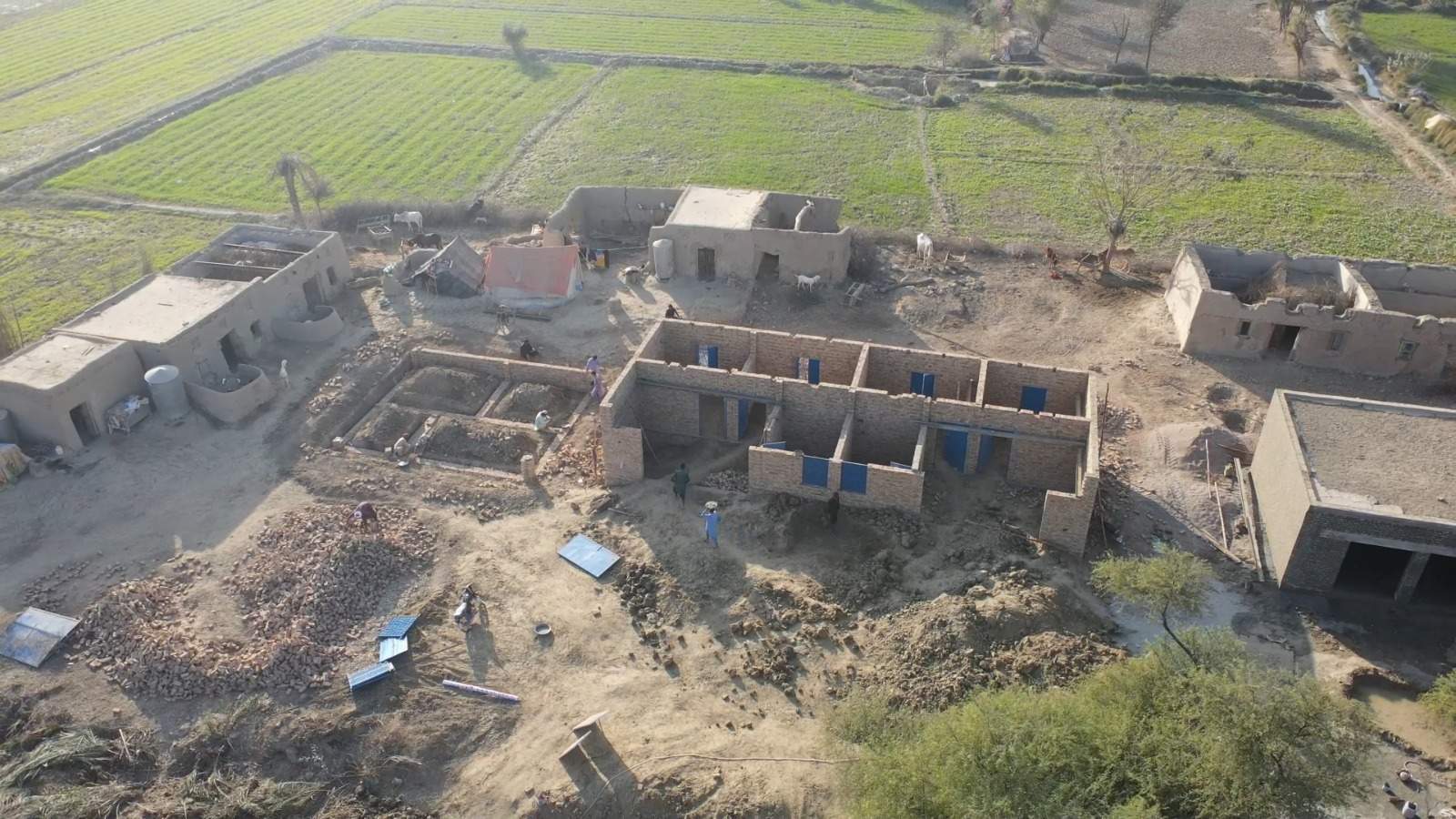
Rehabilitation is where short-term aid turns into lasting change: repairing or rebuilding safer houses, restoring livelihood tools, and helping communities plan better drainage, storage, and local preparedness for the next shock.
For flood-affected families, this has included economical housing models, community-led recovery planning, and linking households back to income through skills, small enterprise support, and agriculture where appropriate.
At a glance
- Structured pathway from emergency to long-term recovery
- Housing and shelter support aligned with community needs
- Focus on dignity, inclusion, and local partnership
In the field